
Declarer Play Checklist: 8 Questions to Ask Before You Play to Trick One
The opening lead lands, dummy appears, and most players reach for a card within about eight seconds. That is usually a mistake. Trick one is the only moment in the play when everything you will ever know for free is already in front of you: your own hand, all thirteen of dummy's cards, and the one card the defender chose to lead. Everything after that is inference, counting, and guesswork.
Good declarers do the same boring thing every hand. They ask a short series of questions before touching a card. It takes thirty seconds on a routine partscore and a couple of minutes on a slam. Here is the checklist.
Start With the Contract and the Lead
Before dummy even settles, know what you need. In 1NT you need seven tricks; in 3NT, nine; in 4♠, ten. That number decides how much risk you can take. Chasing an overtrick in a partscore with a shaky finesse is a different decision from chasing a necessary ninth trick in 3NT.
Then read the lead itself.
- A low card in a suit you have not bid usually announces length or a strong sequence.
- A high spot card — the nine or ten from a defender who has not shown length — often means top of a short suit or interior strength.
- A trump lead usually means the leader wants to cut down your ruffs, so look hard at your crossruff and dummy-reversal options.
- A lead through dummy's strength, rather than up to it, tells you which defender is trying to protect an honour.
None of this is proof. All of it is information, and it is cheapest now, while the whole hand is still a mystery you can solve rather than a mess you have to repair.
Count Tricks and Losers — Both Arithmetic Problems
In notrump, count winners. Tally your sure tricks, then name the suit that will produce the rest. "I have seven, and the fourth diamond in dummy gives me eight and nine once the suit is established" is a plan. "I'll see how it goes" is not.
In a suit contract, count losers instead. Name the specific cards you expect to lose and decide which ones can be discarded or ruffed. If you are planning to ruff a losing club in dummy, you must also identify the entry you will use to get back to hand after the ruff. Plans that skip that step are how good contracts die at trick six.
Trump Management: The Question Most Players Skip
Count the opponents' trumps, count yours, and work out how many rounds it takes to draw them. Then ask the harder question: should I draw them at all right now?
- Draw early when the opponents threaten a ruff, even if it burns an entry or costs you a trick.
- Postpone drawing when you need dummy's trumps for ruffs — but cash any side-suit winners you cannot recover afterwards.
- Keep trump control in the long hand when the short hand's trumps are all earmarked for ruffs.
- Watch the last trump. Before you draw it, decide what you will do with the lead once it is gone.
A common practical rule: if you intend to ruff twice in the short hand, ruff first and draw trumps afterwards. If you intend to draw three rounds, ask whether the third round leaves you stranded in the wrong hand.
Entries Are a Resource. Count Them Before You Spend One.
Count your entries to dummy and your entries back to hand. Separate them into the ones that are certain (an ace, a guaranteed winner) and the ones that cost you something (overtaking a king with the ace, or using a card you wanted for a finesse).
Then make sure you win trick one in the correct hand. This single decision ruins more hands than any finesse. If the plan starts with a finesse through the danger hand, you must be in dummy or in hand at trick two — and the lead may have taken that choice away from you. Decide before you play, not after.
Find the Danger Hand
The danger hand is the defender who can hurt you: the one holding the long suit in notrump, the one who can give a ruff in a suit contract, or the one who sits over your tenace.
Once you have identified them, your whole plan should be arranged to keep the lead away from that player. Sometimes that means holding up on the first round of a suit so the danger hand runs out of entries. Sometimes it means taking a finesse into the safe hand rather than the dangerous one, even when the percentage play points the other way. Safety plays are not about percentages; they are about which defender you are willing to let in.
The Eight Questions, in Order
- How many tricks do I need, and how much risk can this contract afford?
- What did the opening lead tell me about the leader's hand?
- Where are my sure tricks, and where is the extra one coming from?
- How many losers do I have, and can I shed any before I lose the lead?
- How many rounds of trumps do I need, and when should I draw them?
- How many entries do I have to each hand, and which will I spend first?
- Which defender is the danger hand, and how do I keep the lead away from them?
- What is the order of play — which suit first, and why not another?
Answer all eight before you play to trick one. On a simple hand it takes half a minute. On a slam it is worth five, because the auction has already told you a great deal and the play is where slams are won and lost.
Play Trick One, Then Stay Awake
Win the first trick in the hand that starts your plan, and then keep re-checking. Before every subsequent trick, ask whether the plan still works with the cards that have actually appeared. If a suit breaks badly, do not start guessing — go back to question three and count again. A revised plan built on real information beats a proud original plan built on hope.
Two habits make this routine stick. First, form an impression of your own hand before dummy comes down, so the sight of dummy adds to your reading instead of erasing it. Second, say the plan to yourself in one sentence: "Draw two rounds of trumps, ruff a club in dummy, then run the diamonds." If you cannot say it in a sentence, you do not have a plan yet — you have a wish.
Sixty seconds at trick one is the cheapest trick you will ever buy.
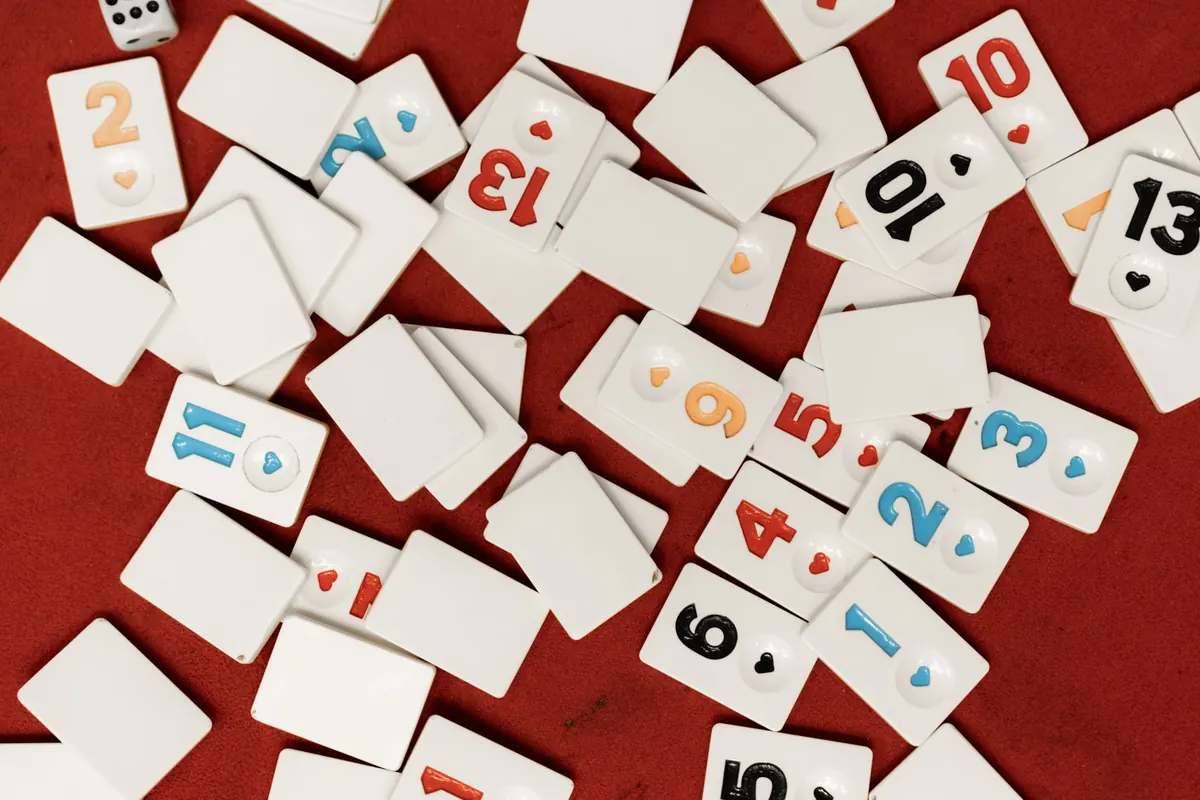
Photo: Tara Winstead / Pexels

Summer Bridge in the Park: How to Organize a Casual Outdoor Game
A shade tree, a folding table and a plan: how to run a friendly outdoor bridge game that survives wind,...
Teams vs. Pairs Scoring: How the Strategy Changes at Every Level
Matchpoints rewards overtricks and field awareness; IMPs rewards safety and arithmetic. Here's how the...
About Us