Summer Bridge in the Park: How to Organize a Casual Outdoor Game
There is a particular pleasure in hearing a bidding box click under a maple tree instead of a fluorescent ceiling. An outdoor bridge game is cheaper than a club afternoon, easier to organize than a tournament, and it pulls in players who have drifted away from the game because the indoor version started to feel like a commitment. The trick is not the bridge. It is the logistics: wind, shade, seating, scoring and the fact that somebody always shows up forty minutes late with no partner.
What follows is a workable plan for a casual gathering of two to six tables, built from the mistakes most hosts make the first time.
Choose the Right Spot and Time
Flat and shaded beats scenic every time. A slightly uneven picnic table will send cards sliding off the edge, and a sloping lawn plays havoc with folding chairs. Look for a paved or packed-dirt area near a pavilion, or a cluster of park tables on level ground.
Afternoon shade matters more than morning sun. A site that is lovely at ten in the morning can be unbearable by two, so walk the area at the hour you actually plan to play. Stay away from playgrounds, ballfields and busy paths; a game where nobody can hear the auction is not much of a game. Proximity to parking and restrooms is worth sacrificing a prettier view.
Check the local rules before you commit. Many parks require a reservation or a small permit for organized groups that set up tables, and some ban stakes, tents or amplified sound. A phone call to the parks department a couple of weeks ahead settles it. If the group is small and informal, a public picnic table may need nothing at all.
Equipment That Fits in One Car
You do not need much, but you do need the right version of each thing.
- Tables: One per four players. A 34-inch folding card table is workable; a four-foot round or square table is far better for holding four hands, a score sheet and a glass of iced tea.
- Chairs with backs: Camp stools look charming and destroy concentration by the third board.
- Cards: Two decks per table in contrasting backs, plus one spare deck. New cards handle wind and sticky fingers better than the deck from your glove box.
- Table covering: A cloth with a weighted hem, or any cloth plus four large binder clips. Plastic clips are also useful for holding score sheets down.
- Scoring: Clipboards, pencils or pens, and printed score slips. Bidding boxes if your group uses them; a simple written auction on a pad works fine outdoors.
- Personal kit: Water, hats, sunscreen, a light jacket for the breeze, and a small first-aid pouch with plasters.
- Cart or wagon: The single most underrated item. One trip from the car instead of four changes the mood of the whole setup.
Wind, Sun and the Weather Backup
The wind problem
Wind is the enemy of outdoor bridge, and it attacks in two ways: it flips cards and it lifts score sheets. Weight the cloth at all four corners. Keep each player's cards low to the table and cupped, and put a small stone, mug or phone on the corner of any sheet in use. Between rounds, place the deck under a weight rather than leaving it loose. If your site is genuinely breezy, play in a pavilion with a solid wall on the windward side, or bring shallow box lids to hold each trick.
Sun and heat
Glare makes cards hard to read, and some players find polarized sunglasses make red and black suits harder to distinguish. Be tolerant of slow play when the light is difficult, and rotate seats between rounds if one side is staring into the sun. Keep water on the table, take a proper break in the shade, and shorten the session if the temperature climbs. Anyone with a heart condition, a heat sensitivity or medication that affects hydration should check with their doctor about how long they can safely sit in the heat.
Rain
Set a decision time and stick to it. A message at eight in the morning saying "we are on unless it rains before ten" is far kinder than leaving people standing in a car park guessing. Name a wet-weather alternative — a pavilion, a covered porch, a nearby café with a back room — and let people know before they leave home.
Pick a Format That Fits the Group
Outdoor bridge works best when the format forgives uneven numbers and mixed ability.
Four-deal bridge (Chicago)
Four players, four deals, no duplicate boards, no movement. Everyone is vulnerable once and not vulnerable once, and you can finish in under an hour. It is the ideal format for a casual afternoon, and if extra players arrive, start a second table and rotate people in.
Small duplicate
With three or more tables, a Mitchell movement gives everyone a proper game. Pre-dealt boards are convenient but not necessary: deal at the table, play the board, and pass it on with a pickup slip so the next pair plays the same hands. You will need one person willing to act as director and keep the clock.
Pairs round robin
If you have six or seven players on and off through the day, run short rounds with changing partners. It keeps everyone involved, spreads the teaching, and means nobody sits out for long.
Running the Day Without Fuss
- Arrive thirty minutes early to set up tables, cloth and water before the first player appears.
- Pair up anyone who arrives alone; keep a list of singles and match them at the first break.
- Brief the group in two minutes: number of boards per round, round length, and how to call the director.
- Keep rounds to fifteen or twenty minutes. Casual games die when one table plays a twenty-five-minute board.
- Break halfway for food and shade. Put someone in charge of the snack table so the host is not doing everything.
- Score simply and announce results before people drift off, not by email the next day.
Remind everyone of the obvious courtesies: keep the game moving, avoid post-mortems at the table, and save the analysis for the walk back to the car. A brief note on the invitation about pace of play and gentle behavior is worth more than any rule enforcement later.
When the Cards Go Back in the Box
Count the cards before you pack. Fifty-two per deck, every deck, every time — a single missing card ruins the next session, and grass eats them quietly. Wipe down the tables, gather litter, return anything borrowed, and thank whoever found the spot and made the calls.
Then write down two things while they are fresh: what worked and what you would change. Maybe the shade arrived an hour too late, or six tables was one too many, or the scoring needed a printed sheet rather than a napkin. Fix one thing, set the next date a month out, and send the invitation while people are still talking about the last hand. The game will grow on its own.
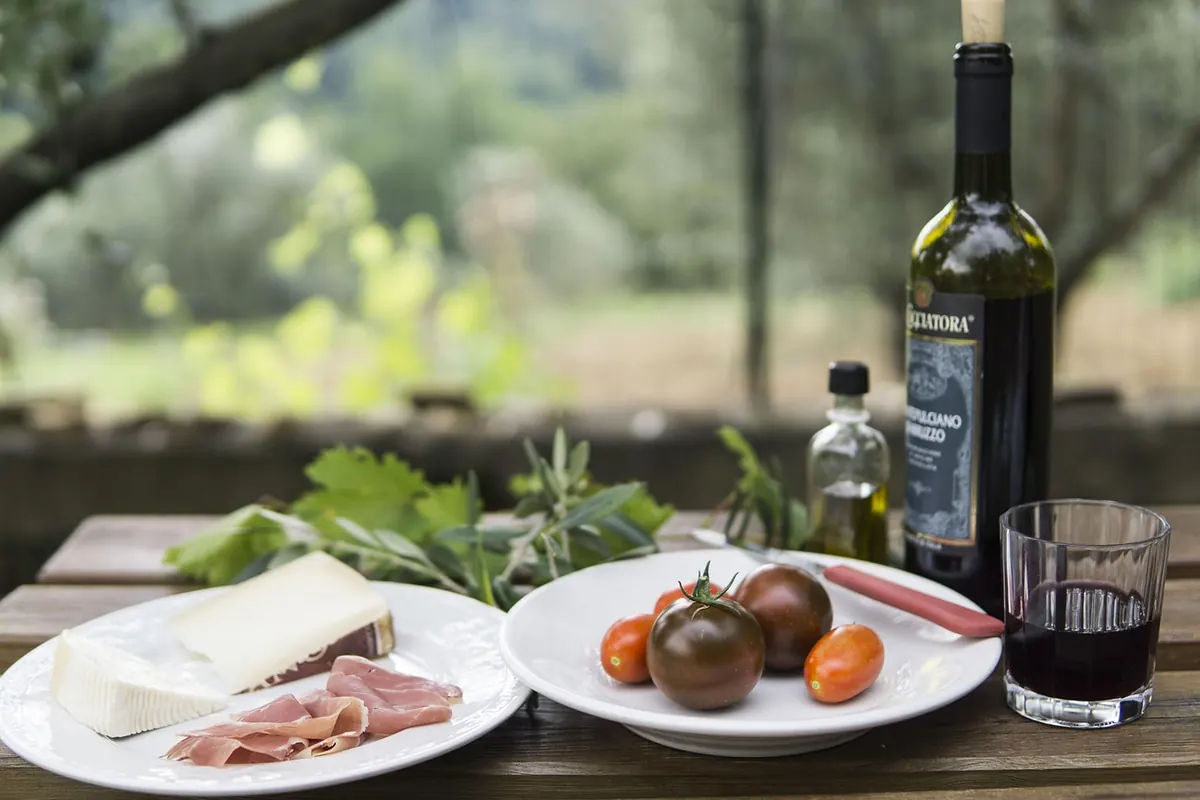
Photo: elle_kh / Pixabay
Teams vs. Pairs Scoring: How the Strategy Changes at Every Level
Matchpoints rewards overtricks and field awareness; IMPs rewards safety and arithmetic. Here's how the...
Your First Duplicate Tournament: A Complete Checklist for Before, During, and After
Everything a first-time duplicate player needs: what to pack, table etiquette, matchpoint scoring, bidding...
About Us